
A Guide for International Students
India is vast in every sense of the word. From its population of more than one billion, to its expansive cities, to its wide-open, seemingly-endless countryside, India certainly earns its subcontinent status. India is home to dozens of communities, languages and several religions. It is also home to some of the most beautiful buildings in the world, like the Taj Mahal and the Golden Temple.
Study Abroad in India

India is vast in every sense of the word. From its population of more than one billion, to its expansive cities, to its wide-open, seemingly-endless countryside, India certainly earns its subcontinent status. India is home to dozens of communities, languages and several religions. It is also home to some of the most beautiful buildings in the world, like the Taj Mahal and the Golden Temple.
Find a program
Want to study in India? Find & compare programs
India became independent from the UK in 1948, due to the strength of the movement started by Mahatma Gandhi. Today, India is a major power in Asia and is on its way to becoming a world power, like China or Germany. Politically, India is a bridge between east and west, as it maintains warm relations with Russia, China, US , Europe and African nations.
India – Quick facts & figures
| Capital | New Delhi |
|---|---|
| Language | Hindi, English (many regional languages) |
| Population | 1.35 billion |
| Area Size | 3,280,000 km² |
| Students (International students) | 47,000+ |
| Academic Year | September – June |
| Currency | Indian Rupee (INR) |
| Calling Code | +91 |
| Time zone | GMT+5:30 |
It’s also India’s colonial past that ensures that English is widespread. English holds official status alongside Hindi. Most Indians speak these two languages, as well as one or more of the plethora of regional and minority languages in the country, like Punjabi, Gujarati and Bengali.
What makes India such a fascinating place to study abroad is that it’s a country on the up. Major technological advances are being made seemingly every day in India, yet it’s still a developing country with a lot of poverty and social issues. As India becomes wealthier and more powerful, its middle class is growing and its rates of poverty, illiteracy and early mortality are declining. Life expectancy is also quickly rising.
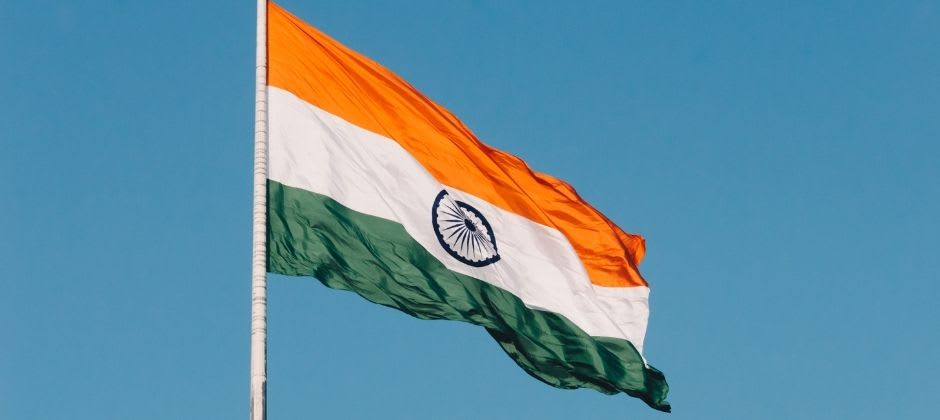
As a top study abroad destination in Asia, India ranks high on experiencing a new culture or lifestyle. One thing for which India is best known across the world is also one of the major draws for international students: the food. As the world has become more and more interconnected, curries, naans, poppadums and sugar puddings have spread around the world – and have come to be adored by billions of people. There is also India’s national dress. Its vivid colors and patterns capture our imaginations. Of course, India also has rich, fascinating stories, from the origin stories of the Hindu gods through to traditional folktales and legends, Indian stories have more than enough to keep you enthralled for hours at a time.
Education in India
India inherited its education system from the UK. But, as India’s role and place in the world has developed and grown over time, the education system has changed. Indian higher education is rapidly expanding. Today, there are more than one-thousand accredited schools in India. Around fifty of them are internationally recognized.
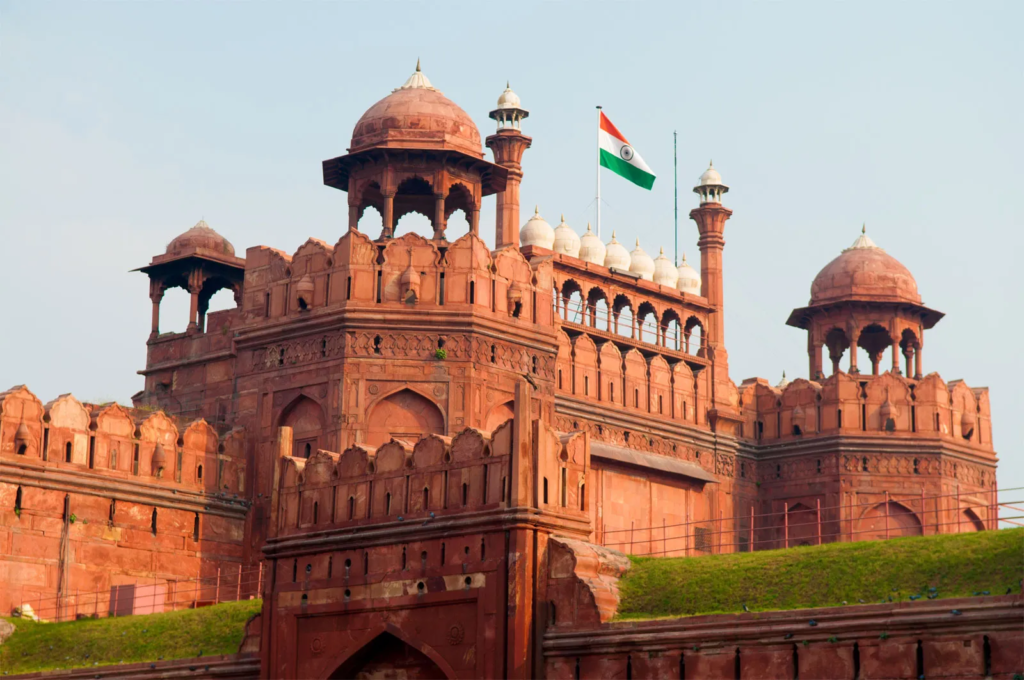
India inherited its education system from the UK. But, as India’s role and place in the world has developed and grown over time, the education system has changed.
Indian higher education is rapidly expanding. Today, there are more than one-thousand accredited schools in India. Around fifty of them are internationally recognized. All institutions are accredited and ranked by the National Institute Ranking Framework (NIRF).
Indian higher education has undergone a dramatic shift during this century. It’s gone from being sub-standard to thoroughly regulated. As a result, some of India’s top schools are now on a par with some American schools in some fields.
English programs are commonplace in India and are wide in scope and reach. Almost all Indian academics speak perfect English. Many schools offer identical programs: one taught in English, the other in Hindi. However, English is becoming increasingly dominant in Indian higher education classrooms.
During your time at an Indian school, you’ll probably be encouraged to learn at least basic Hindi as this is more common than English in everyday life. A Bachelor’s degree takes between three and five years, depending on the subject and any time spent studying on exchange. A Master’s degree, also called a professional degree in India, normally takes one year, or two if it’s in the medical field. As for a PhD, that takes the international-standard time of between three and five years, depending on whether or not you teach as you research.
Housing & Living Costs
The cost of living in India is steadily rising, but is still much lower than in the US and many European countries. India’s cost of living is also markedly lower than many other popular study abroad destinations further east, like China, Japan and South Korea. The cost of living, as in most countries, is higher in the capital and other large cities.
The cost of living in India is steadily rising, but is still much lower than in the US and many European countries. India’s cost of living is also markedly lower than many other popular study abroad destinations further east, like China, Japan and South Korea. The cost of living, as in most countries, is higher in the capital and other large cities
Student Visas and Permits
Unless you hold a Bhutanese or Nepalese passport, you’ll need a visa to study in India. You’re also visa-exempt if you hold Overseas Citizen of India status or a Person of Indian Origin card, as these give you many of the same rights and benefits as full citizenship. Fortunately, for everyone else, India makes the whole process about as simple and straightforward as it can be.
IMPORTANT: Your passport must be machine-readable. If it’s not, you’ll be denied entry to India, even if you have the right visa.
Unless you hold a Bhutanese or Nepalese passport, you’ll need a visa to study in India. You’re also visa-exempt if you hold Overseas Citizen of India status or a Person of Indian Origin card, as these give you many of the same rights and benefits as full citizenship. Fortunately, for everyone else, India makes the whole process about as simple and straightforward as it can be.
Firstly, you must have written confirmation of your admission to an Indian school. Schools normally provide this in both Hindi and English. The English version is recommended for this application. The course must be at least six months long. You’ll also need to provide evidence of how you will get a realistic amount of money to live off without having to work in India.
You’ll also need to obtain a No Objection Certificate from the Ministry of Health, showing that you’re in rude health. You can get this by sending medical documents to the Ministry in good time. If you’re not from an Anglophone country, your documents will need to be translated into either Hindi or English, depending on in which language you’re making the application.
You must also provide a written statement that you don’t have any family members in India or any Indian family living in another country. If you do, they must co-sponsor your student visa alongside your school.
Remember to make sure that any translations are notarized. Even if you can do it yourself, don’t.
Indian study visas are valid for a maximum of five years. There is a fee of between $13 and $118 depending on your citizenship. Your passport is what counts, not your country of residence. This fee is normally paid in USD. INR is not actually accepted in some countries. Increasingly, Indian consulates, embassies and visa centers prefer card payments.
You must first leave India if you decide to apply for a work permit after your studies.
Application Process
India uses a national application portal: Your 5 Steps to Study in India. You can apply for up to three different programs through it. The limit is three: either three different programs or three different schools. PhD applications are made directly to individual schools.
India uses a national application portal: Your 5 Steps to Study in India. You can apply for up to three different programs through it. The limit is three: either three different programs or three different schools. PhD applications are made directly to individual schools.